
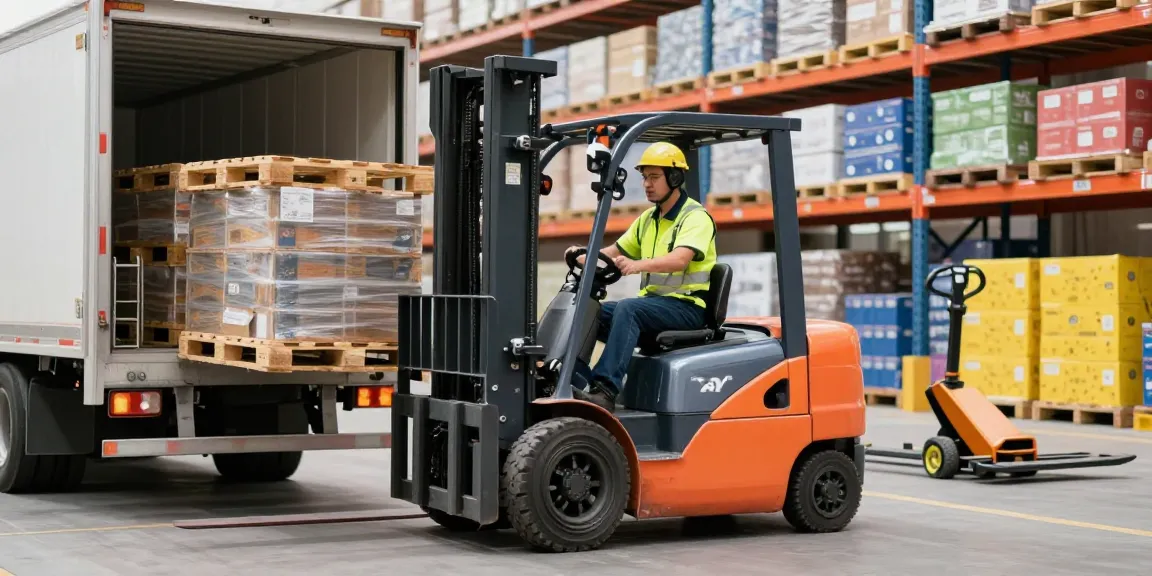
Understanding Electric Forklifts in Modern Warehousing
Electric forklifts have revolutionized the landscape of modern warehousing, offering efficient and environmentally-friendly solutions for material handling. With technology advancing at a rapid rate, these machines not only improve productivity but also help businesses align with sustainability goals. As demand for such equipment grows, it’s vital for warehouse managers to understand the core functions, benefits, and considerations when selecting an electric forklift for their operations.
What is an Electric Forklift?
An electric forklift is a type of industrial truck powered by electric motors rather than a combustion engine. These forklifts use batteries as their primary power source, providing considerable advantages in terms of energy efficiency and operational costs. Depending on the model and specifications, electric forklifts can handle various loads and are often used in warehouses, distribution centers, and manufacturing facilities.
Benefits of Electric Forklifts Over Diesel Models
- Reduced Emissions: Electric forklifts produce zero-emission operations, making them a greener choice as businesses increasingly aim to lower their carbon footprints.
- Lower Operating Costs: Electric models generally have lower fuel and maintenance costs compared to diesel counterparts, translating to significant savings over time.
- Noise Reduction: The quieter operation of electric forklifts is beneficial in environments where noise pollution can disrupt workflow.
- Increased Maneuverability: Many electric forklifts have a compact design, enabling them to navigate tight spaces more efficiently than traditional models.
Why Electric Forklifts Are Essential for Today’s Operations
Incorporating electric forklifts into warehouse operations is becoming essential for businesses seeking to enhance efficiency and reduce operational costs. The benefits of these machines extend far beyond mere lifting capabilities, influencing various operational aspects, from workforce safety to sustainability measures.
Cost Savings and Environmental Impact
Cost efficiency is a critical factor in warehouse operations. Electric forklifts, while initially more expensive, provide long-term savings through lower energy costs and reduced maintenance. Additionally, companies looking to improve their environmental footprint achieve both compliance with regulations and a positive public image by utilizing zero-emission vehicles.
Increasing Warehouse Efficiency with Electric Forklifts
Electric forklifts facilitate faster loading and unloading processes, which is vital in a high-demand warehousing environment. With improved battery technology, these forklifts can operate for extended periods, reducing downtime during busy shifts. Furthermore, the superior lift capacities of electric models enable them to handle a variety of loads, optimizing inventory management overall.
Safety Improvements Through Electric Forklift Use
Safety is paramount in warehouse operations, and electric forklifts contribute to a safer working environment. Features such as automatic braking systems, reduced noise levels, and enhanced visibility help minimize the risk of accidents. Training staff on safe operation is an essential component of implementing electric forklifts, ensuring that employees are equipped to handle these advanced machines responsibly.
Choosing the Right Electric Forklift for Your Warehouse
When selecting an electric forklift, several factors come into play that can significantly impact the efficiency and safety of operations. A thorough assessment of your specific warehouse needs and layout is crucial to making an informed decision.
Assessing Your Warehouse Needs and Layout
Understanding the unique requirements of your warehouse layout is the first step in choosing the right electric forklift. Factors such as aisle width, ceiling height, and the types of loads handled must be considered when selecting a model that maximizes space and efficiency.
Comparing Electric Forklift Brands and Models
Not all electric forklifts are created equal, with different brands offering various features and benefits. Conducting side-by-side comparisons of available models can help identify which forklift meets your operational needs without compromising performance. Look for reliable manufacturers known for durability, customer service, and warranty support.
Understanding Battery Options and Maintenance Needs
The battery is the lifeblood of an electric forklift, and understanding the options available is essential for choosing the right model. Lithium-ion batteries offer faster charging times and longer life cycles, although they may come at a premium price. Additionally, regular maintenance is required to keep batteries functioning optimally, so factor this into your overall cost assessment.
Implementing Electric Forklifts into Your Operations
After choosing the right electric forklift, the next step is to integrate it into your existing operations. This process involves training staff, adjusting workflows, and monitoring performance metrics to ensure a smooth transition.
Training Staff on Electric Forklift Safety and Operation
Proper training is essential for ensuring that all staff members are competent in operating electric forklifts safely. Incorporating safety protocols and operational guidelines into training sessions will prepare employees for real-world scenarios, minimizing the risk of accidents.
Integrating Electric Forklifts in Existing Workflow
Integrating new electric forklifts into your current workflow may require adjustments to existing processes. Collaborate with your team to refine logistics and ensure that new equipment aligns seamlessly with your operational goals.
Monitoring Performance Metrics for Electric Forklifts
Once electric forklifts are in use, tracking performance metrics allows you to gauge their effectiveness. Key performance indicators (KPIs) like energy consumption, maintenance costs, and productivity rates can help identify areas for improvement and refine operational strategies.
Future Trends in Electric Forklift Technology
The landscape of electric forklift technology is rapidly evolving, with advancements that promise to redefine efficiency and performance standards in the industry. Keeping abreast of these trends can give businesses a significant competitive edge.
Predicted Innovations by 2026
Experts predict that by 2026, we will witness advancements in automation and artificial intelligence within electric forklift technology. These innovations will enhance operational efficiency through features like real-time tracking and predictive maintenance alerts.
How Automation is Shaping Electric Forklift Use
Automation is set to play a crucial role in the future of warehouse operations. Autonomous electric forklifts equipped with sensors and AI technologies can operate independently, further improving safety and productivity while allowing human operators to focus on higher-level tasks.
Adapting to Changes in Supply Chain Dynamics
With ongoing changes in supply chain dynamics, warehouses must adapt quickly to respond to market fluctuations. Electric forklifts equipped with advanced data analytics capabilities will provide insights that enable prompt decision-making and strategy adjustments in response to shifts in demand.
What is the average lifespan of an electric forklift?
The typical lifespan of an electric forklift ranges from 10 to 15 years, contingent upon usage patterns, maintenance practices, and environmental conditions. By adhering to best operational practices, businesses can maximize the longevity of their equipment.
Are electric forklifts suitable for outdoor use?
While electric forklifts are predominantly designed for indoor use, certain models are equipped for outdoor tasks. It is essential to choose the right type based on the specific outdoor conditions, such as terrain and weather.
How do electric forklifts compare to traditional forklifts?
Compared to traditional forklifts, electric forklifts offer numerous advantages, including lower operating costs, reduced emissions, and improved maneuverability. However, traditional forklifts may outperform electric models in specific outdoor applications or heavy-duty tasks.
What are the common maintenance tips for electric forklifts?
- Regularly check and maintain battery levels and connections.
- Inspect tires for wear and tear to ensure optimum performance.
- Keep moving parts lubricated and free from dirt and debris.
- Conduct routine inspections and maintenance checks as recommended by the manufacturer.
How can I maximize the efficiency of my electric forklift fleet?
Maximizing the efficiency of your electric forklift fleet involves careful planning and management. Establish regular training sessions for staff, monitor performance metrics, and ensure that maintenance is performed consistently. Additionally, leveraging technology such as fleet management software can provide valuable insights into usage patterns and help streamline operations.