
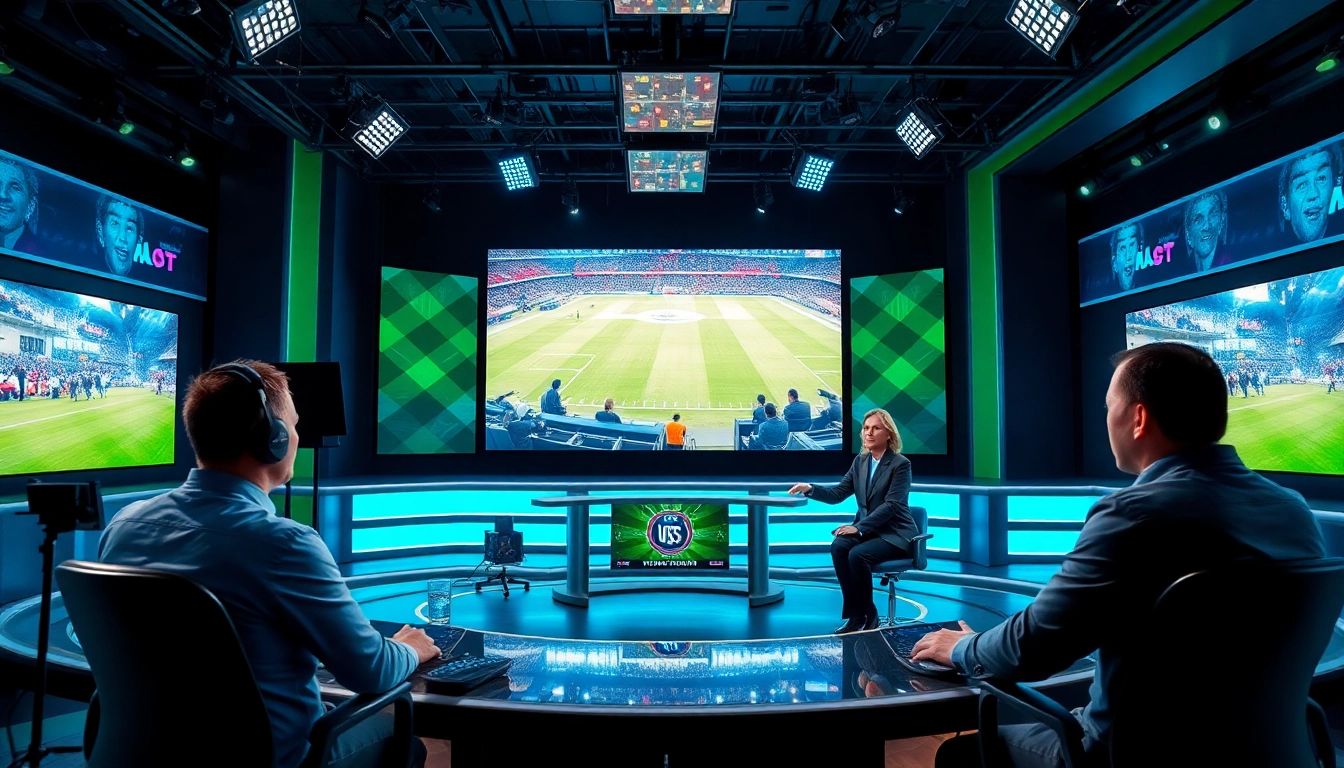
Understanding Sports Broadcasting
Sports broadcasting plays a pivotal role in delivering live sports events to audiences around the globe, transcending geographical boundaries and uniting fans through shared experiences. From radio broadcasts to streaming on digital platforms, the evolution of Sports Broadcasting reflects significant technological advancements and changing viewer preferences. In this comprehensive analysis, we explore the history, technology, current trends, challenges, innovations, and the metrics for measuring success in the sports broadcasting industry.
History and Evolution of Sports Broadcasting
The journey of sports broadcasting began in the early 20th century, with radio becoming a popular medium for transmitting live sports events. The first radio broadcast of a sports event took place in 1921, when a boxing match was aired, paving the way for future broadcasts. By the mid-20th century, television emerged as the dominant platform for sports viewing, offering visual access to fans and revolutionizing the way people engaged with sports.
As technology progressed, color television brought a new vibrancy to broadcasts, enriching the experience for viewers. The advent of satellite and cable TV in the 1980s and 1990s expanded access to niche sports, allowing for a diverse range of programming catered to different audiences. Today, the rise of the internet and mobile technology has fundamentally transformed the landscape of sports broadcasting, enabling fans to consume content anytime, anywhere.
Key Components of Sports Broadcasting
At its core, sports broadcasting comprises several key components that together create a compelling experience for viewers. These include:
- Live Event Coverage: Real-time broadcasting of sporting events, often featuring expert commentary and analysis.
- Pre and Post-game Analysis: Analysis segments before and after events that provide insights, stats, and player interviews.
- Highlight Shows: Programs that recap key moments from various events, keeping fans engaged with the sports they love.
- Interviews and Features: In-depth interviews with athletes, coaches, and other stakeholders, providing a behind-the-scenes look at the sports world.
- Interactive Content: Increasingly facilitated by social media, allowing fans to engage directly with broadcasters and other viewers.
How Technology Influences Sports Broadcasting
Technology is a catalyst for change in sports broadcasting, enhancing viewer experiences and changing the nature of content delivery. Innovations such as high-definition (HD) and ultra-high-definition (UHD) broadcasts allow audiences to enjoy greater detail and clarity. Furthermore, technologies such as instant replay, slow-motion analysis, and augmented graphics contribute significantly to the depth of coverage and audience engagement.
The integration of mobile apps and websites also allows for real-time updates and personalization of viewer experiences, such as customized notifications for favorite teams or athletes. Additionally, advancements in broadband and wireless technologies have facilitated seamless streaming, transforming traditional cable television consumption into digital streams accessed via computers, smart TVs, tablets, and smartphones.
Current Trends in Sports Broadcasting
Digital Platforms and Sports Broadcasting
As consumer habits shift towards digital consumption, traditional broadcasters must adapt to meet the changing needs of viewers. The proliferation of digital streaming platforms and social media channels has created new avenues for sports consumption. This shift has positioned digital platforms as critical players in sports broadcasting, with networks investing heavily in their own streaming services to retain audience interest.
The Rise of Streaming Services in Sports Broadcasting
Streaming services have gained immense popularity as more viewers opt for on-demand content over linear TV. Platforms such as ESPN+, Amazon Prime Video, and specialized sports networks are capitalizing on this trend by offering exclusive content, including live games, replays, and original programming. This transition aligns with younger audiences who prioritize flexibility and access over traditional viewing schedules.
Fan Engagement Strategies in Sports Broadcasting
Engagement now extends beyond the broadcast itself. Broadcasters are seen utilizing multiple strategies to foster audience interaction and enhance the viewing experience. Social media platforms have become vital for real-time discussions, allowing fans to share thoughts and reactions during live broadcasts. Polls, quizzes, and Q&A sessions during broadcasts can further deepen viewer connections and enrich their understanding of the sport.
Challenges Faced in Sports Broadcasting
Adapting to Changing Viewer Habits
The evolution of viewer habits presents a significant challenge for traditional broadcasters. With the surge in streaming content, audiences are increasingly difficult to capture through conventional means. Broadcasters need to innovate constantly, tailoring content not only to current trends but also anticipating future shifts in media consumption.
Legal Issues and Rights Management in Sports Broadcasting
Securing broadcasting rights remains a complex landscape. Legal issues such as copyright infringement, licensing agreements, and international broadcasting regulations must be navigated carefully. As the marketplace for sports rights becomes more competitive, broadcasters are challenged to maintain transparency while negotiating and managing these agreements effectively.
Quality vs. Access in Sports Broadcasting
Quality content delivery can be compromised by the rush to broaden accessibility. Striking a balance between high-quality broadcasts and making content widely available is an ongoing challenge. Poor-quality streams can alienate audiences, leading to dissatisfaction and decreased engagement. Broadcasters must prioritize technology investments to ensure a reliable and high-quality viewing experience.
Innovations Shaping the Future of Sports Broadcasting
Virtual Reality and Augmented Reality Impact on Sports Broadcasting
Virtual reality (VR) and augmented reality (AR) are set to revolutionize the sports broadcasting experience. VR can transport fans directly into the stadium or arena, allowing for immersive participation from the comfort of their homes. Similarly, AR enhances televised games with real-time data and graphics overlaying live action, providing viewers with an enriched experience that fosters deeper engagement.
Data Analytics Transforming Sports Broadcasting
Data analytics offers valuable insights that can significantly enhance sports broadcasts. By analyzing player statistics, viewer engagement metrics, and audience demographics, broadcasters can tailor content to suit viewers’ interests and preferences. Real-time analytics can also enrich commentary during broadcasts, providing viewers with greater context about the performance of teams and players.
Artificial Intelligence Enhancements in Sports Broadcasting
Artificial Intelligence (AI) is becoming an essential asset in sports broadcasting, offering capabilities such as automated highlights generation and predictive analytics for outcomes. AI can even analyze vast amounts of data to provide personalized viewing experiences, recommending content based on user preferences while significantly boosting operational efficiency within broadcasting organizations.
Measuring Success in Sports Broadcasting
Key Performance Indicators for Sports Broadcasting
To gauge the effectiveness of sports broadcasting, organizations must utilize key performance indicators (KPIs). These may include overall viewership numbers, audience retention rates, engagement on social media, and reach of digital content. Understanding these metrics enables broadcasters to refine strategies and improve future broadcasts.
Viewer Metrics and Feedback Analysis
Collecting and analyzing viewer feedback is crucial for continuous improvement in broadcasting. Metrics such as viewer ratings, surveys, and engagement analytics provide insights into which aspects of broadcasts resonate with audiences. This feedback loop allows broadcasters to adapt their offerings and improve the overall viewing experience.
Strategic Adjustments Based on Analytics in Sports Broadcasting
Strategic adjustments need to be made in response to data analytics. Broadcasters can leverage insights to optimize content scheduling, improve advertising placements, and better understand their audiences’ preferences. Continuous analysis will enable broadcasters to enhance the effectiveness of their programming, ultimately resulting in higher viewer satisfaction and engagement rates.
Frequently Asked Questions About Sports Broadcasting
What is Sports Broadcasting?
Sports broadcasting encompasses the live transmission and commentary of sports events through various media formats such as television, radio, and digital platforms.
How has technology affected Sports Broadcasting?
Technology has transformed sports broadcasting by enabling high-definition broadcasts, real-time analytics, and interactive content, enhancing engagement and viewer experiences.
What are the main challenges faced in Sports Broadcasting?
Challenges include adapting to changing viewer habits, managing legal rights, and ensuring a balance between broadcast quality and accessibility.
What role does data analytics play in Sports Broadcasting?
Data analytics provides insights on viewer behavior, enables tailored content, enhances commentary, and informs strategic decisions to optimize broadcasts.
What is the future of Sports Broadcasting?
The future may involve advancements in virtual reality, augmented reality, AI integrations, and innovative engagement strategies to cater to evolving audience preferences.