
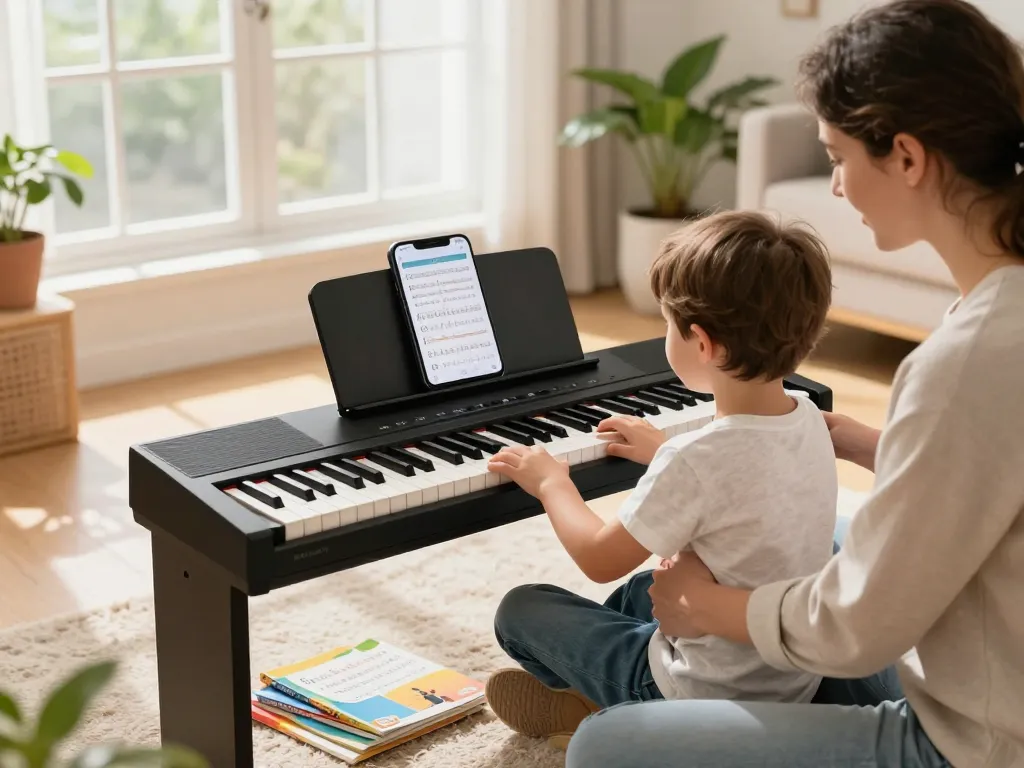
Understanding the Digital Piano: The go 88 Overview
The world of digital pianos has undergone a remarkable transformation, and among the standout options available today is the go 88. This versatile instrument caters to both beginners and seasoned musicians, offering a unique blend of portability, professional features, and user-friendly design. When exploring options, go 88 provides comprehensive insights into its capabilities, helping users understand why it has become such a popular choice in the realm of digital pianos.
What is the go 88?
The go 88 is a portable digital piano designed by Roland, renowned for producing high-quality musical instruments. This model features a full-sized, 88-note keyboard that mimics the feel of an acoustic piano, making it an excellent choice for musicians who require realistic tactile feedback. The go 88 is lightweight and compact, making it easy to transport for gigs, lessons, or practice sessions at home.
Key Features and Benefits of the go 88
Many features make the go 88 a standout choice in the market:
- Authentic Key Feel: The weighted keys replicate the touch of an acoustic piano, allowing for a satisfying playing experience.
- High-Quality Sound Engine: The piano uses Roland’s advanced sound technology to deliver rich, expressive tones that can please even the most discerning ears.
- Built-In Lessons and Connectivity: With integrated learning tools and Bluetooth connectivity, users can connect to various apps for music education and practice purposes.
- Portability: Its lightweight design allows for easy transport, making it perfect for musicians on the go.
- Versatile Sound Options: The go 88 features a variety of instrument sounds, enabling players to explore different genres and styles.
How the go 88 Stands Out Among Competitors
Compared to other digital pianos, the go 88 offers a balance of quality and affordability. While some competitors focus solely on high-end features, the go 88 provides essential functionalities at a reasonable price point, making it accessible for beginners and hobbyists. Its combination of portability and professional sound quality further sets it apart from models that may be excellent for home use but impractical for active performers.
Getting Started with Your go 88: A Beginner's Guide
Starting your journey with the go 88 can be exciting yet daunting. Understanding how to set up and maximize the use of your digital piano is crucial for an enjoyable experience. This guide will walk you through the initial steps to ensure you get off on the right foot.
Setting Up Your go 88 for Optimal Use
To effectively set up your go 88, follow these steps:
- Find a Suitable Location: Place your digital piano on a stable surface, avoiding direct sunlight and moisture.
- Connect the Power Supply: Ensure that you have a reliable power source. Plug in the power adapter and turn on the piano.
- Adjust the Settings: Familiarize yourself with the control panel, adjusting volume and sound settings to your preference.
- Connect to Devices: Use Bluetooth or a USB connection to link your piano to an app or computer for additional functionalities.
Choosing the Right Accessories for Your go 88
The right accessories can enhance your experience with the go 88:
- Stands and Benches: Invest in a sturdy stand and a comfortable bench to maintain proper posture while playing.
- Headphones: A good pair of headphones can help you practice silently without disturbing others.
- Music Stand: Use a music stand to hold your sheet music or devices with music apps.
Basic Techniques for First-Time Users
If you're new to playing the piano, here are some essential techniques to get you started:
- Fingering: Use the correct finger placement for scales and exercises, which helps build muscle memory.
- Posture: Maintain good posture to prevent strain during extended practice sessions.
- Slow Practice: Start slow to ensure accuracy, gradually increasing speed as you become more comfortable.
Effective Practice Strategies for Mastering the go 88
Mastering the go 88 involves developing effective practice strategies. Here are some approaches to help you progress as a musician.
Creating a Consistent Practice Routine
Consistency is key when learning an instrument. Establish a routine that includes:
- Daily practice sessions of varying lengths to build familiarity with the instrument.
- Focused exercises targeting specific skills, such as scales or chord transitions.
Utilizing Apps and Resources for Learning
With the go 88's connectivity features, you can access numerous apps and online resources. Explore platforms like Simply Piano or Flowkey, which offer structured lessons and feedback.
Setting Achievable Goals to Track Progress
Setting SMART goals (Specific, Measurable, Achievable, Relevant, Time-Bound) can help keep your practice focused:
- Identify a specific skill you want to improve.
- Break it down into smaller tasks to measure progress.
- Regularly assess your skills by playing pieces that incorporate the techniques you've learned.
Addressing Common Challenges with the go 88
Even with the best intentions, challenges can arise. Here’s how to overcome them while using your go 88.
Overcoming Beginner Frustrations
Many beginners face frustration with their progress. To combat this:
- Focus on small victories in your playing.
- Be patient with yourself, understanding that mastery takes time.
Dealing with Technical Issues
If you encounter technical difficulties, consult the user manual or online forums for troubleshooting tips. Highlighted issues often have straightforward solutions.
Finding Motivation During Practice
Maintaining motivation can be tough, especially during challenging pieces. Consider joining online communities or taking part in musical challenges to keep your spirits high.
Future Trends in Digital Pianos and the go 88
The digital piano landscape is continually evolving, and the go 88 is well-positioned to adapt. Here, we explore future trends that could influence your musical journey.
Emerging Technologies in Music Learning
With advancements in technology, expect to see more interactive learning methods. Features like augmented reality and AI-driven lessons may become commonplace in future versions of the go 88.
What to Expect from Digital Pianos in 2026
By 2026, digital pianos are likely to integrate even more sophisticated sound engines, enhanced connectivity options, and improvements in portability, making the playing experience more immersive than ever.
How the go 88 Fits into the Evolving Music Scene
The go 88’s ability to merge traditional playability with modern technology makes it an invaluable asset in an ever-changing music landscape. As trends shift towards interactive and engaging learning modalities, the go 88 is poised to remain a relevant choice for upcoming generations of musicians.
What are the top features of the go 88?
The key features of the go 88 include its realistic keyboard feel, high-quality sound engine, and built-in connectivity options that enrich the learning experience.
How can beginners benefit from using the go 88?
Beginners can benefit from the go 88’s user-friendly design, integrated learning tools, and versatile sound options, making practice enjoyable and effective.
Are there online resources for learning piano on the go 88?
Yes, there are several online resources, including apps that offer structured lessons and tutorials tailored for the go 88’s features, enhancing the learning experience.
What makes the go 88 a good choice for children?
The go 88 is lightweight and has interactive learning features that keep children engaged while providing a solid foundation for their musical education.
How can I integrate the go 88 into my daily routine?
Incorporate short practice sessions into your daily schedule, using apps and online resources to structure your learning and keep your progress on track.